The Crew
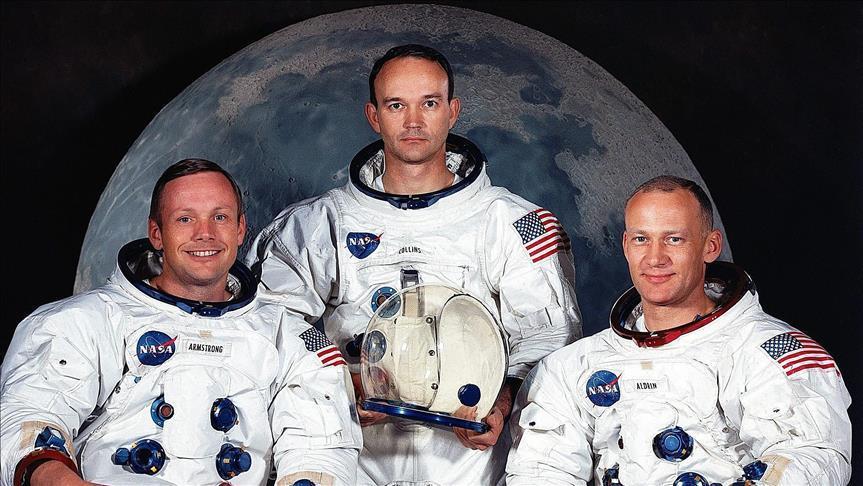 The mission was carried out by three astronauts:
The mission was carried out by three astronauts:
• Neil Armstrong – Commander
• Buzz Aldrin – Lunar Module Pilot
• Michael Collins – Command Module Pilot
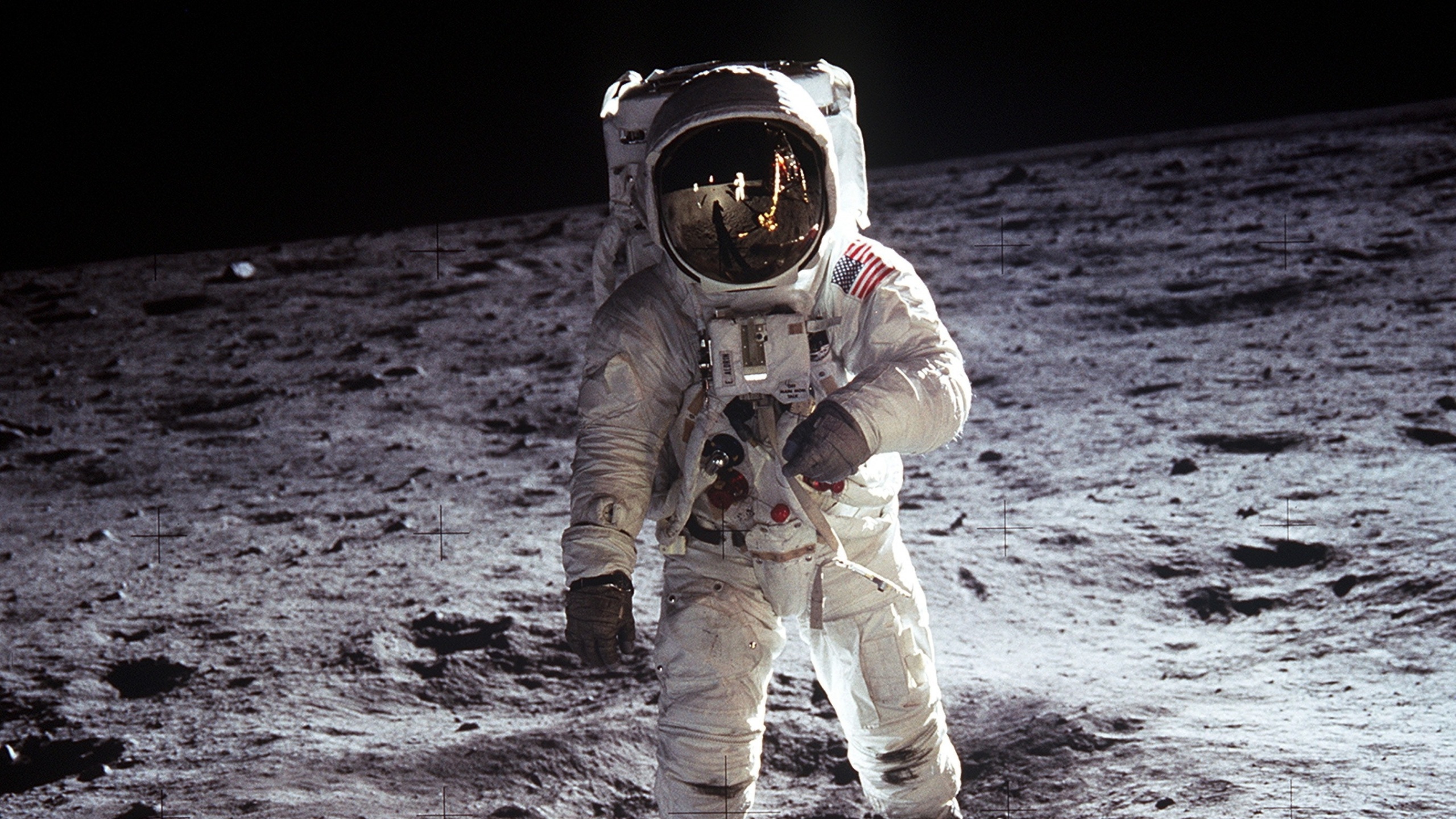
Neil Armstrong became the first human to step onto the Moon, followed by Buzz Aldrin, while Michael Collins remained in orbit.
The Historic Landing
 On July 20, 1969, the lunar module Eagle landed on the Moon’s surface.
Neil Armstrong stepped outside and said the famous words:
“One small step for man, one giant leap for mankind.”
This moment was watched by millions of people around the world and became one of the most iconic events in history.
On July 20, 1969, the lunar module Eagle landed on the Moon’s surface.
Neil Armstrong stepped outside and said the famous words:
“One small step for man, one giant leap for mankind.”
This moment was watched by millions of people around the world and became one of the most iconic events in history.
On July 20, 1969, the lunar module Eagle landed on the Moon’s surface.
Neil Armstrong stepped outside and said the famous words:
“One small step for man, one giant leap for mankind.”
This moment was watched by millions of people around the world and became one of the most iconic events in history.
Impact and Legacy
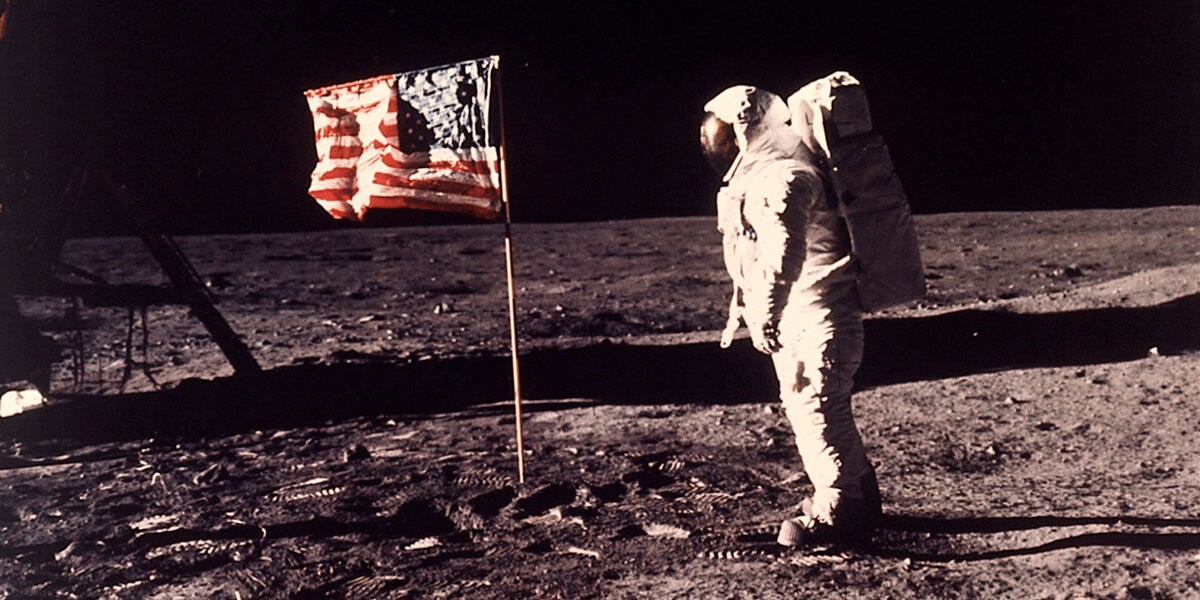 Apollo 11 proved that humans could travel beyond Earth and safely return. It accelerated technological innovation and inspired future space missions.
The success of this mission continues to influence modern space exploration and remains a symbol of human ambition and achievement.
Apollo 11 proved that humans could travel beyond Earth and safely return. It accelerated technological innovation and inspired future space missions.
The success of this mission continues to influence modern space exploration and remains a symbol of human ambition and achievement.
Apollo 11 proved that humans could travel beyond Earth and safely return. It accelerated technological innovation and inspired future space missions.
The success of this mission continues to influence modern space exploration and remains a symbol of human ambition and achievement.